Author: Sonta Perani

  • Bali White Water Rafting and Jungle Adventure: An Unforgettable Experience in Ubud’s Wild Side

    Bali White Water Rafting and Jungle Adventure: An Unforgettable Experience in Ubud’s Wild Side

    If there’s one thing that made my trip to Bali unforgettable, it was the Bali white water rafting and jungle adventure combo. Seriously, there’s something about paddling through rushing rapids surrounded by lush green cliffs that makes your heart race — in a good way. I’ve done a fair share of adventures around the world, but rafting in Ubud hits differently. It’s not just about the adrenaline (though there’s plenty of that). It’s about the entire vibe — the tropical air, the sound of the Ayung River, and the mix of calm and chaos that somehow feels perfectly balanced.

    Read also: Ayung River Rafting Tours in Bali

    When I first heard about Bali’s white water rafting trips, I thought it was going to be a touristy gimmick. You know, something that’s more “Instagram opportunity” than real adventure. But boy, was I wrong. Turns out, it’s one of the best ways to see the island’s hidden natural beauty — waterfalls that seem straight out of a movie, ancient stone carvings along riverbanks, and small villages tucked behind dense jungle. According to the Indonesian Ministry of Tourism and Creative Economy, Bali attracts millions of adventure travelers each year, and white water rafting has become one of the island’s top-rated outdoor activities. After doing it myself, I totally get why.

    The Thrill of Bali’s Rivers — More Than Just a Splash

    Let’s start with the basics — there are two main rivers where most of the white water rafting happens: Ayung River and Telaga Waja River. Both offer a completely different experience, and if you’re into outdoor thrills, you might want to try both.

    Ayung River Rafting: The Scenic Route

    The Ayung River, located near Ubud, is the most popular spot for first-timers or anyone who wants a balance between excitement and sightseeing. The rapids here are usually graded between Class II and III, meaning they’re fun and bouncy but not terrifying. It’s ideal if you’re going with family, a partner, or even solo but just want a mix of nature and a bit of thrill.

    The best part? The surroundings. The entire rafting path cuts through deep jungle valleys, with vines hanging over the edges like curtains. There are dozens of waterfalls — some you can literally paddle under. And then there are the stone carvings — ancient reliefs carved directly into the cliffside walls. I didn’t even realize they existed until our guide pointed them out, telling stories of old Balinese legends. You can’t get that kind of storytelling from a bus tour, that’s for sure.

    The Ayung trip usually takes around 2 hours, covering roughly 10 kilometers. It’s long enough to feel like an adventure but not so long that you’re exhausted. At one point, our guide let us jump into the water and float downstream — the current gently carrying us while we looked up at the towering cliffs. Honestly, it was one of those rare “wow” moments where you just pause and think, “This is Bali.”

    Telaga Waja River Rafting: The Adrenaline Route

    Now, if you want more of a challenge, Telaga Waja River, in the Karangasem region, is where things get wild. This river runs stronger, faster, and is typically graded between Class III and IV, depending on the season. If you visit during the wet season (November to March), expect more powerful currents and a few heart-stopping drops — including one steep 4-meter descent that comes out of nowhere and gets everyone screaming.

    Unlike Ayung, Telaga Waja has fewer tourists and feels raw, almost untouched. The surrounding scenery switches between rice terraces, jungle canopies, and small village crossings where locals wave as you pass. The water is clearer too, and since it’s sourced from Mount Agung, it’s refreshingly cool. The ride here lasts about 16 kilometers, roughly 2.5 hours of non-stop paddling, laughing, and sometimes clinging for dear life. It’s physically demanding, but totally worth it if you’re chasing that rush.

    A little heads-up though: this one’s not ideal if you have small kids or aren’t comfortable swimming. I’ve seen people underestimate how strong the rapids can get. Always listen to your guide — they know those rivers better than anyone.

    The Jungle Adventure That Comes After

    White water rafting alone is an experience, but pairing it with a Bali jungle adventure takes it to another level. Most rafting companies offer combo packages that include activities like ATV rides, ziplining, or jungle trekking. If you’re already in Ubud, it’s easy to bundle these up since most of the action is just minutes away from the riverbanks.

    After rafting the Ayung, I joined a jungle trekking tour that took us through a mix of bamboo forests, coffee plantations, and small temples tucked inside the woods. The air was humid but refreshing, and the smell of wet earth after the rain was intoxicating. I even got to try Luwak coffee right at a plantation — the one made from civet-processed beans. I know, it sounds weird, but it’s surprisingly smooth.

    Some tours even include a swing experience, where you’re strapped into a giant swing that arcs out over the rice fields. It’s touristy, sure, but if you time it right (early morning or late afternoon), it’s magical. The sunlight hits the paddies just right, and the whole place glows gold.

    Choosing the Right Adventure Package in Bali

    If you’re planning your own Bali white water rafting and jungle adventure, picking the right package can make a big difference. There are tons of operators — from budget-friendly to luxury — and while most follow similar routes, the experience varies a lot depending on the company.

    From what I’ve seen and heard, the more established operators like Sobek Rafting, Mason Adventures, and Bali Adventure Rafting offer top-notch safety gear, professional guides, and clean facilities. They usually include hotel pickup, lunch, towels, and showers (which you’ll definitely need after). Prices range from IDR 400,000 to 900,000 per person (roughly $25–$60 USD), depending on what’s included.

    Budget options might look tempting online, but I’d say be careful. I once went with a cheaper outfit that cut corners — helmets that didn’t fit properly, life jackets that had seen better days, and guides who seemed more interested in finishing early than keeping everyone safe. Spend a bit more; it’s worth it.

    If you’re looking for something more exclusive, some resorts and adventure companies even offer private rafting experiences, where it’s just your group and the guide. It’s quieter and feels more personal, perfect for couples or small families.

    What to Expect During a Typical Rafting Day

    A typical rafting trip in Bali usually starts early. Most operators pick you up between 8–9 AM depending on where you’re staying. The drive to the starting point (especially if you’re coming from Seminyak or Canggu) can take about 1.5 hours, but the views make it go by quickly — rice fields, temples, and the occasional monkey hanging out on roadside trees.

    Once you arrive, you’ll get a quick briefing. The guides explain how to paddle, what to do if you fall out (which sounds scary but is actually manageable), and basic commands like “forward,” “stop,” or “boom-boom” — that’s what they yell before hitting big rapids. Then comes the part that everyone underestimates: the walk down to the river. It’s usually a few hundred steps, and yes, you’ll feel it in your legs. But once you’re in the raft, it’s pure joy.

    Most tours include a halfway stop for photos or a short rest near a waterfall. Some guides are absolute characters — cracking jokes, splashing rival rafts, and pulling small pranks. It adds to the fun, and honestly, it’s what makes each trip unique.

    After finishing, you’ll usually have to hike back up (sometimes 300+ steps — I wasn’t ready for that the first time), but there’s cold water and a buffet lunch waiting at the top. Local dishes like nasi goreng, mie goreng, or satay are standard, and after that workout, everything tastes incredible.

    When’s the Best Time for White Water Rafting in Bali?

    Timing matters a lot. Bali’s rivers change dramatically with the seasons, so picking the right time ensures you get the experience you want.

    • Dry Season (April to October): The water levels are lower, making it safer for beginners. The rapids are calmer, and the weather’s perfect for combining rafting with trekking or ATV rides.
    • Wet Season (November to March): This is when things get exciting.

    The rivers swell, the rapids become stronger, and the scenery — all that lush greenery — comes alive. If you’re after more adrenaline, go during this period. Just expect to get soaked (like, completely drenched).

    I’ve done rafting in both seasons, and honestly, each has its charm. During the dry months, you get crystal-clear views and a more relaxed pace. During the wet season, it’s wild — but in a good way.

    What to Pack and Wear for a Bali White Water Rafting Trip

    Over the years, I’ve learned the hard way that what you wear on these trips can make or break your comfort. Here’s what works best:

    • Quick-dry clothes: Avoid cotton — it gets heavy when wet. Opt for sportswear or swim gear.
    • Secure footwear: Water shoes or strap-on sandals. Flip-flops are a big no.
    • Change of clothes: You’ll need them after. Most tour bases have changing rooms.
    • Waterproof bag or pouch: For phones and valuables. Some companies provide dry bags, but I always bring my own just in case.
    • Sunscreen: Even though you’re in water, Bali’s sun is relentless.
    • Small cash: For drinks, tips, or those awesome post-ride photos.

    Also, if you wear glasses or a GoPro, make sure they’re strapped tight. I lost a pair of sunglasses once mid-rapid — watched them float away like a dramatic movie moment.

    Is White Water Rafting in Bali Safe?

    This is probably the number one question I get asked. The short answer: Yes, it’s very safe — if you go with reputable operators.

    Bali’s rafting industry is well-regulated, and guides go through training and certification. Most companies provide helmets, life jackets, and insurance. Accidents are rare, and guides are skilled at navigating even the trickier rapids.

    That said, safety also depends on you. Listen to instructions, don’t try to stand up in moving water, and avoid rafting during extreme weather. If you’re unsure, just ask the guide — they’ll tell you if conditions aren’t ideal that day.

    According to data from the Bali Tourism Board, over 200,000 tourists participate in rafting activities annually with minimal incident reports. So yeah, the odds are in your favor.

    Why Ubud Is the Perfect Base for This Adventure

    If you’re planning a Bali white water rafting and jungle adventure, Ubud is hands-down the best place to stay. It’s central, close to both the Ayung River and most jungle tours, and it offers that perfect mix of nature and comfort. You can wake up in a cozy villa surrounded by rice paddies, hit the river by mid-morning, and be back for a relaxing massage by sunset.

    What I love most about Ubud is how seamlessly the adventure scene blends with the cultural vibe. You can spend one day rafting through rapids and the next day exploring temples or visiting the Tegallalang Rice Terraces. Everything’s within reach, and it never feels rushed.

    Plus, Ubud’s food scene is incredible. After a day of rafting, nothing beats a hearty meal at Warung Biah Biah or a smoothie bowl at Alchemy. Some rafting companies even offer post-adventure dinners with local dishes cooked by Balinese families. It’s a small touch that makes a big difference.

    Sustainability and Respect for Nature

    One thing that often gets overlooked when talking about rafting is the environmental side. The rivers in Bali are not just tourist attractions — they’re vital ecosystems and sources of life for the surrounding communities. Many local rafting companies now emphasize eco-friendly practices, like collecting trash along the river, avoiding single-use plastics, and supporting reforestation programs.

    When I last went rafting, our guide mentioned how they regularly help clean the riverbanks after big storms. It reminded me that enjoying nature comes with responsibility. The best adventure isn’t just about the thrill — it’s about leaving the place better than you found it.

    If you’re booking your trip, try choosing operators that are part of sustainability initiatives or have eco-certifications. They might charge a little more, but you’ll be supporting businesses that care about the island’s future.

    Combining Rafting with Other Adventures in Bali

    If you’ve got extra days in your itinerary, you can easily turn your Bali white water rafting and jungle adventure into a multi-day thrill fest. Some great add-ons:

    • Mount Batur Sunrise Trekking: Start early, hike up a volcano, and catch the sunrise from above the clouds. Then reward yourself with a rafting trip the next day.
    • ATV Jungle Ride: Tear through muddy paths, small rivers, and dense forest trails. It’s messy, loud, and ridiculously fun.
    • Monkey Forest Visit: While you’re in Ubud, stop by the famous Sacred Monkey Forest Sanctuary. Just hold onto your stuff — those monkeys have sticky fingers.
    • Tegallalang Rice Terrace Walk: A calmer contrast to rafting, but equally breathtaking. The view at sunrise? Unreal.
    • Tegenungan Waterfall: Perfect for a quick dip or some epic photos after your rafting session.

    Bali makes it easy to mix chill and thrill — one day you’re rafting wild rapids, the next you’re sipping coconuts by the beach in Sanur. That’s the beauty of this island.

    Real Talk: What It Actually Feels Like

    I won’t lie — the first few minutes on the raft, I was nervous. The guide yelled commands, the raft bounced, and water splashed everywhere. But then it clicked. You start syncing with your crew, the rhythm of paddling feels natural, and suddenly you’re laughing, soaked, and fully present. No phone, no distractions, just raw fun.

    One of my favorite memories was near the end of the Ayung River route. We drifted into a calm section where sunlight filtered through the trees, and all you could hear was the water trickling over rocks. Our guide told us to stop paddling and just listen. It was quiet — the good kind of quiet that makes you realize how alive nature is. Those are the moments that stick.

    If you’re an adrenaline junkie, Telaga Waja will feed your need for speed. But if you’re after something scenic and soulful, Ayung’s your best bet. Either way, you’ll come out smiling (and probably a little sore).

    The Local Touch That Makes It Special

    Something I really appreciate about Bali’s adventure scene is how local it remains. Most rafting guides are from nearby villages. They grew up around those rivers — fishing, swimming, exploring — so they know every bend and drop. Their humor, warmth, and storytelling make the experience feel personal.

    I remember one guide, Wayan, who told us about the river spirits and why they always do a small offering before launching the raft. It’s part superstition, part respect. He said, “If you respect the river, the river respects you.” That line stuck with me. It’s simple but sums up the Balinese connection with nature perfectly.

    How to Book and What to Look Out For

    You can easily book rafting and jungle tours online through platforms like GetYourGuide, Klook, or directly with local operators. Most allow flexible rescheduling, which helps if the weather changes. Just make sure to check recent reviews — some companies look great on paper but cut corners in real life.

    Also, confirm if the package includes insurance and hotel transfers. Some operators offer “all-inclusive” deals that cover everything from pickup to lunch, which makes logistics a breeze.

    If you prefer a more spontaneous approach, you can also book once you’re in Ubud. There are dozens of tour desks and local agents offering same-day trips. Just negotiate politely; bargaining is part of the culture here, and you can usually get a better rate.

    A Few Honest Takeaways

    After several rounds of rafting in Bali, here’s what I’ve learned:

    1. Don’t overpack your day. Rafting alone takes a lot of energy. Pair it with one more activity, max.
    2. Go early. Morning trips are cooler, less crowded, and have better lighting for photos.
    3. Eat light before you go. Trust me, a full breakfast and bumpy rapids don’t mix well.
    4. Be ready to laugh. Even if you fall out (which happens more often than you’d think), it’s part of the fun.
    5. Tip your guide. They work hard and deserve it.

    If you’re sitting there debating whether a Bali white water rafting and jungle adventure is worth it, take my word for it — go for it. It’s one of those experiences that sticks with you long after the tan fades. You’ll come back with wild stories, new friends, and maybe even a fresh perspective on what adventure really means.

    And who knows? You might just find yourself signing up for round two the next day — because once you’ve danced with Bali’s rivers, it’s hard not to crave another ride.
  • Ayung River Rafting Tours in Bali: The Real Adventure Worth Talking About

    Ayung River Rafting Tours in Bali: The Real Adventure Worth Talking About

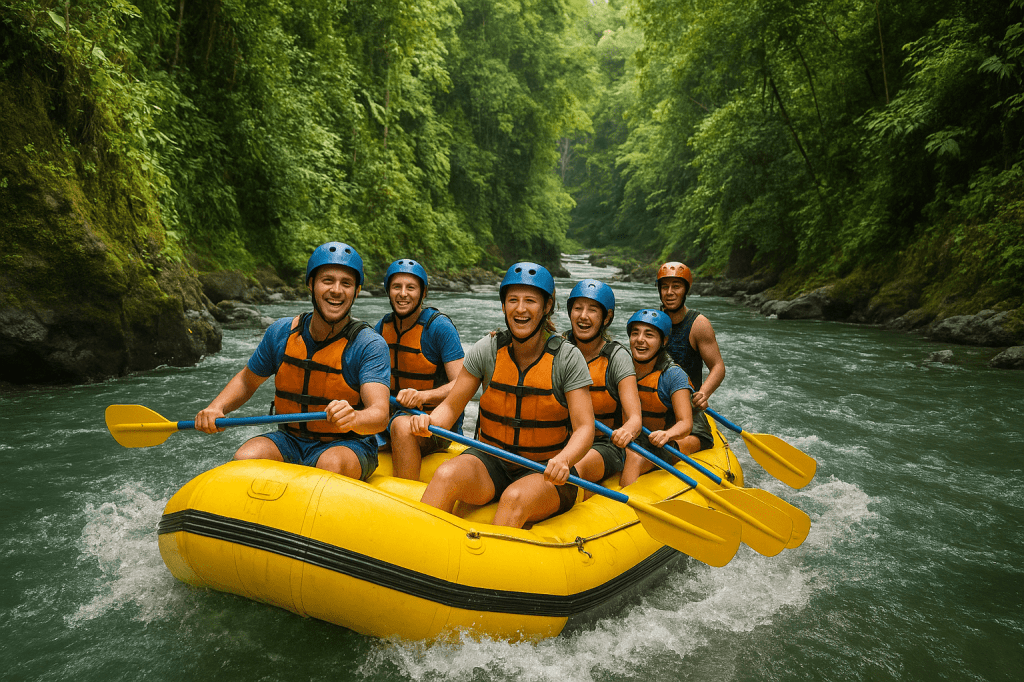
    If you’ve been searching for something that mixes nature, culture, and a good splash of adrenaline, Ayung River rafting tours in Bali are where the fun begins. I’m not saying this just because I love adventure travel—I’ve seen countless visitors light up after they come back from this experience, dripping wet but grinning ear to ear. The Ayung isn’t just some random river. It’s one of Bali’s longest rivers, flowing through lush rainforests, quiet villages, and valleys lined with carvings that make you stop paddling just to stare.

    Now, rafting can sound intimidating if you’ve never done it. I get it. I was nervous the first time too—holding the paddle so tight you’d think it was glued to my hands. But the thing with Ayung is, it’s beginner-friendly. You get the thrill of rapids, yes, but not the kind that flips your raft upside down and leaves you questioning your life choices. It’s more of a “laugh while you get splashed” type of adventure. That balance is why it’s become Bali’s most popular rafting spot, and honestly, it deserves the hype.

    Read also: Bali Weather in December

    Why Ayung River Is the Go-To Spot for Rafting in Bali

    Ayung River flows near Ubud, which is already famous for its artsy vibe, temples, and rice terraces. So, you’re not just signing up for rafting—you’re mixing it with the cultural heart of Bali. The river itself stretches around 75 kilometers, but the part used for rafting tours is about 10 to 12 kilometers long. That usually takes two hours to cover, depending on how much time your group spends joking around or stopping for photos.

    The surroundings? Unreal. You’ll paddle through deep gorges shaded by tropical trees, past waterfalls that feel like secret hideouts, and beside stone carvings on the cliffs that tell stories from Balinese mythology. I remember one guide explaining the carvings as we floated by—something about good and evil forces. I probably only understood half of it, but standing in a raft, listening to those tales with the jungle echoing around you? That’s unforgettable.

    What the Rafting Experience Actually Feels Like

    Let me break down what a typical tour looks like, so you know what to expect.

    First off, there’s usually a bit of a walk down to the river. And by “walk,” I mean steps. Lots of steps. The first time, I counted about 300 on the way down, and yes, your legs will remind you of them later. But here’s the thing—you’ll forget the burn as soon as the raft hits the water.

    The rapids on the Ayung are mostly classified as Grade II and III. Translation: they’re exciting enough to give you a rush, but not so wild that you need to be a pro. The raft bounces, spins a little, and sometimes you get splashed straight in the face. Half the fun is laughing at your friends when they scream at a wave that looks scarier than it really is.

    About halfway, most tours stop at a rest point. Sometimes it’s by a little waterfall, where everyone takes turns standing under the water like it’s a natural shower. Other times, guides point out wildlife—like colorful kingfishers or even monkeys swinging through the trees. And yes, there’s usually time for selfies. Lots of them.

    Safety and Comfort—Because Nobody Wants Drama on Vacation

    Whenever I talk to people about rafting, their first question is usually: “Is it safe?” Short answer: yes. The operators here take safety seriously. Life jackets, helmets, and trained guides are all part of the deal. Before you even step into the raft, there’s a short safety briefing. I used to roll my eyes at these, but honestly, they’re worth paying attention to. Things like how to hold the paddle, what to do if you fall in (rare, but it happens), and how to listen for commands.

    I’ve been rafting the Ayung multiple times, and I’ve never seen anyone get hurt—unless you count pride when someone topples out in calm water. And don’t stress if you’re not a strong swimmer. The gear keeps you afloat, and the guides are pros at pulling people back in.

    Comfort-wise, expect to get wet. Your clothes will be soaked through, so wear quick-dry stuff and bring a change for afterward. Some companies provide lockers, towels, and even hot showers, which feels heavenly after a couple of hours in the river.

    Cost of Ayung River Rafting Tours in Bali

    Prices vary depending on the operator and what’s included. On average, you’re looking at somewhere between 300,000 to 600,000 IDR per person (roughly $20–40 USD). That usually covers hotel transfers, safety equipment, a guide, the rafting session, and lunch. Some packages even throw in extras like welcome drinks or photo services.

    I once went with a budget option that skipped the buffet lunch, and let me tell you—it was a mistake. After rafting, you’ll be starving, and having a hot meal with views of rice fields is part of the fun. So, my advice? Pay a little more for the full package. It’s worth it.

    Best Time to Do It

    Timing makes a difference. The river is open year-round, but conditions shift with the seasons.

    • Dry season (April–September): The water level is lower, making the rapids gentler. Great for families or first-timers.
    • Wet season (October–March): The river gets fuller, the rapids pick up speed, and the whole thing feels more intense. Perfect if you want more thrill.

    Morning sessions are usually calmer and less crowded. Afternoons can get busy, but they also have this magical golden light filtering through the jungle, which makes everything feel cinematic. Personally, I lean toward mornings—fresher energy, cooler air, and you still have the rest of the day to explore Ubud.

    Who Can Join Ayung River Rafting

    The tours are surprisingly inclusive. Kids as young as 7 can join (with parental supervision), and I’ve seen folks in their 60s having the time of their lives. You don’t need special fitness, just a basic ability to walk down to the river and hold a paddle.

    That said, if you’ve got serious health concerns—like heart issues or back problems—it’s probably best to skip. Always check with the operator if you’re unsure.

    Why It’s More Than Just Rafting

    This is the part people don’t always talk about. Sure, rafting is fun. But Ayung River rafting also connects you to Bali in a way that feels deeper. You’re moving through landscapes that locals consider sacred, hearing myths tied to carvings on the cliffs, and sharing laughs with Balinese guides who know the river like the back of their hands.

    According to Indonesia’s Ministry of Tourism and Creative Economy, community-based tourism has become a key driver of sustainable travel in Bali, and rafting on rivers like the Ayung directly supports local jobs—from guides to cooks preparing those buffet lunches. So, when you book a tour, you’re not just buying an adventure; you’re helping families and villages thrive.

    Tips That Make the Day Smoother

    • Bring sandals or water shoes that won’t slip off. Flip-flops are a disaster waiting to happen.
    • Don’t bother with heavy cameras. Most companies have waterproof bags, but honestly, your phone in a waterproof case works fine.
    • Wear sunscreen, even if it’s cloudy. The reflection off the water can sneak up on you.
    • Pack a dry change of clothes for afterward—you’ll thank me when you’re not sitting in wet shorts during lunch.

    I’ve learned these the hard way—like the time I wore cotton shorts, and they stayed damp the entire ride back to my hotel. Not fun.

    Comparing Ayung River Rafting with Other Bali Rivers

    Here’s where a lot of travelers get confused. Bali has three main rafting spots: Ayung River, Telaga Waja River, and Melangit River. Each has its own vibe, and knowing the difference helps you choose the right one.

    Ayung River is hands down the most popular, mostly because it’s so close to Ubud. It’s the “entry-level” adventure—great for families, beginners, and anyone who wants a mix of fun and scenery without feeling like they’ve signed up for a military obstacle course.

    Telaga Waja, on the other hand, is longer and wilder. The rapids there are mostly Grade III and IV, which means faster drops and a lot more paddling. I did Telaga Waja once after a few Ayung trips, and it felt like stepping up a level—still fun, but definitely more intense. Plus, you have to tackle a 4-meter dam slide at one point. Not everyone’s cup of tea, but adrenaline junkies love it.

    Then there’s Melangit, the underdog. It’s shorter but super narrow, with sharp turns that keep you on your toes. Honestly, it feels more raw and untouched. But it’s not as tourist-friendly, so fewer companies operate there.

    So, if I had to sum it up? Ayung is perfect for first-timers or folks who want the “classic Bali rafting” experience. Telaga Waja is for thrill-seekers. Melangit is for people who want something quieter and more offbeat.

    Stories from Travelers (Because Reviews Speak Louder)

    I can’t tell you how many times I’ve seen people walk into rafting tours looking hesitant, only to leave raving about it. Like the family from Australia I joined one summer—two parents, three kids, all under 12. The mom kept saying she was nervous, but halfway through, she was laughing louder than the kids. By the end, the kids were begging to go again.

    Then there was a couple from Germany who had never rafted before. They were celebrating their honeymoon, and the guide spent the whole trip calling them “King and Queen of the River.” Everyone in the raft was joking along, and when the raft hit a bump that nearly tossed us all in, the guide teased, “Long life, long marriage—strong paddling!” It was one of those moments that turned strangers into friends.

    I even remember going once during the wet season when the water level was high. The rapids were rougher, and our raft spun so fast we ended up backwards at one point. Instead of panicking, the guide shouted, “Relax, reverse is bonus ride!” Everyone burst out laughing. That’s the thing about Ayung—it’s not just rafting, it’s this whole atmosphere of fun.

    A Cultural Touch You Don’t Expect

    What makes Ayung different from rivers elsewhere in the world is the cultural backdrop. The cliffs lining parts of the river are decorated with huge bas-relief carvings. These aren’t random doodles—they were done by local artists back in the 1990s, telling stories from the Ramayana (a famous Hindu epic). Imagine paddling through a jungle canyon and suddenly seeing a wall of stone figures telling tales of gods and battles.

    Another thing: many villagers along the river still use it for daily life. You might spot women washing clothes or kids playing by the banks. It’s a reminder that you’re not just floating through a tourist playground—you’re in a living, breathing part of Bali.

    And let’s not forget the guides themselves. Most of them grew up in villages near the river. They’ll crack jokes, but also slip in stories about Balinese rituals, farming traditions, or even rice terrace irrigation systems. One guide once explained how water temples help manage the flow for farmers downstream—it was like getting a mini cultural lecture while paddling.

    What to Pack for Ayung River Rafting

    Let me save you the headache of showing up unprepared. Here’s what actually works:

    • Clothing: Quick-dry shorts, a t-shirt or rash guard, and a swimsuit underneath. Avoid jeans or heavy fabrics—they’ll weigh you down.
    • Shoes: Sports sandals or river shoes. Sneakers get soggy and gross. Barefoot? Bad idea.
    • Waterproof case for your phone: Some operators rent them out, but they’re not always the best quality. Bring your own if you want to keep your photos safe.
    • Change of clothes: Pack them in a plastic bag, so you’re not stuck putting wet stuff in your backpack.
    • Cash: For tips or buying drinks afterward. Guides don’t push it, but it’s a nice gesture.

    Optional but useful: insect repellent, a small towel, and maybe a dry bag if you want to bring snacks or a GoPro.

    The Post-Rafting Reward

    Honestly, one of my favorite parts of the tour isn’t even the rafting—it’s what comes after. Most operators serve up a buffet lunch overlooking rice fields or jungle views. Think fried noodles, satay, tropical fruits, and sometimes banana fritters. After a couple of hours paddling and laughing, you’ll devour that food like you haven’t eaten in days.

    The hot showers also feel like a blessing. Standing there rinsing off the river water, surrounded by jungle sounds, you can’t help but feel grateful. It’s one of those experiences where the adventure and relaxation blend perfectly.

    Why It’s Worth Adding to Your Bali Itinerary

    Here’s the thing: Bali has beaches, temples, yoga retreats—you name it. But rafting on the Ayung River gives you something different. It’s an active way to see Bali’s nature, it’s cultural, it’s social, and it’s just plain fun. Even if you’re not usually the adventurous type, it’s the kind of activity that surprises you in the best way.

    And unlike surfing (which can take days to get the hang of), rafting is instant gratification. Within minutes, you’re in the flow of it—laughing, splashing, and soaking up the jungle scenery. For travelers trying to make the most out of their trip, Ayung River rafting tours tick so many boxes at once.

  • Bali Weather in December: What It’s Really Like (From a Local Driver Who Drives Around All Day)

    Bali Weather in December: What It’s Really Like (From a Local Driver Who Drives Around All Day)

    Alright, let’s be real here — if you’re googling Bali weather in December, you’re probably asking one of three things:

    1. Is it raining non-stop?
    2. Should I still come?
    3. Can I still get nice pics for the ‘Gram?

    And as someone who drives tourists, surfers, couples, and the occasional adventure-junkie every day across this island… let me tell ya, December’s weather in Bali ain’t as simple as “wet season equals bad.”

    Spoiler alert: it’s still a good time to come. You just need to know how to do December right.

    Read also: Problems with Living in Bali

    So, Does It Rain a Lot in Bali in December?

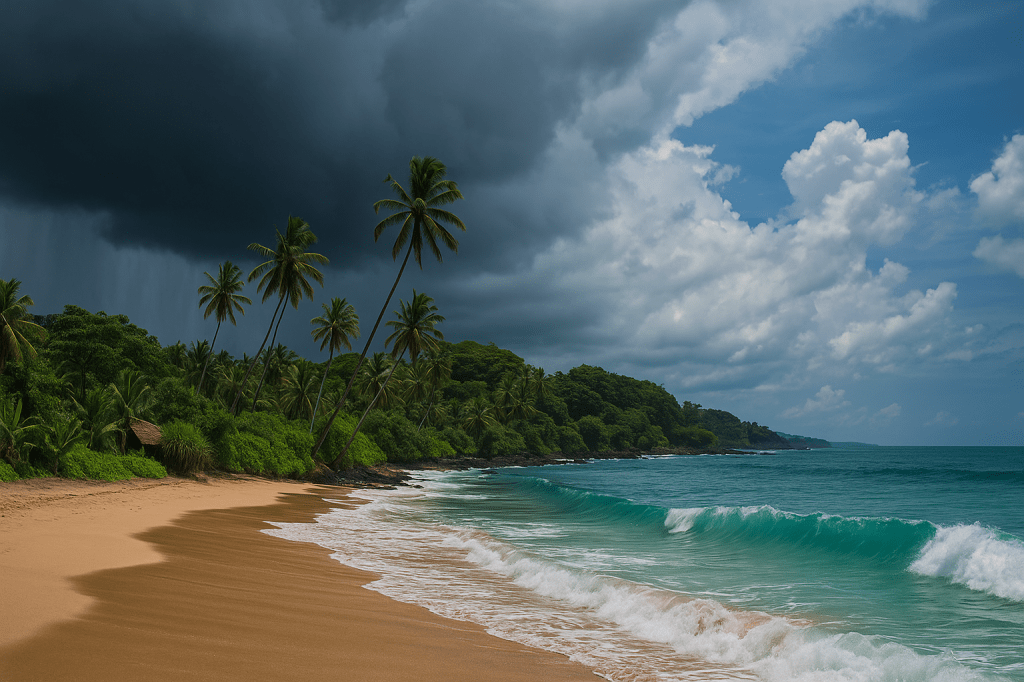
    Yeah, it rains. But hold on — it’s not what you think. It’s not like the sky’s falling 24/7. Most days, it goes something like this: sunny in the morning, then around 3–4pm the clouds roll in like they’re planning something… and boom, you get that classic tropical downpour. Heavy rain, maybe thunder, but usually done in an hour or two.

    In places like Ubud or Munduk, it rains more often and a bit earlier in the day. But down in Seminyak, Canggu, or Uluwatu? You’ll often get long stretches of dry mornings — perfect for beach-hopping or scooter-cruising. Just don’t forget a poncho, trust me. I’ve seen way too many people try to outrun Bali rain on a scooter. Never ends well.

    Quick local tip: If you’re planning a temple visit, go early morning. Like real early. Most ceremonies happen early, and you beat both crowds and clouds. Win-win.

    What’s the Temperature in December?

    Hot and humid, baby. Think mid-to-high 20s°C (77–86°F) most of the time. Some days it touches 30°C (that’s like 86°F+), and the humidity makes it feel warmer. The kind of weather where you step outside and immediately question your choice of dark T-shirt.

    But hey, that’s part of the charm. December’s heat makes that first coconut or cold Bintang taste like a gift from the gods.

    Nights are warm, but not unbearable. You won’t need a jacket unless you’re up in Kintamani or Bedugul. Those mountainy areas get a bit chilly at night, like 17–19°C. I once had a couple from Sydney wearing shorts up there… they didn’t look happy.

    Is December a Good Time to Visit Bali?

    Honestly? Yeah. But you gotta manage expectations.

    Here’s the deal: December, especially mid-to-late, gets busy. Like, Aussie-school-holidays-and-Christmas-season kinda busy. Prices for hotels go up, traffic gets heavier, and you might wait longer for tables at popular warungs. But it also means everything’s buzzing. Beach clubs are alive, DJs are out, restaurants stay open late — Bali feels festive, even if it’s raining.

    Now, if you’re the type who dreams of peaceful rice paddies and no queues… maybe early December is better for you. Before the Christmas crowd hits. From Dec 1–15, it’s quieter, cheaper, and still plenty to do.

    Oh — and don’t worry, even in the rainy season, Bali doesn’t shut down. People still surf, hike, party, shop, and chill. I’ve driven honeymooners up to waterfalls in the rain, and they said it was the most romantic thing ever. Go figure.

    What Should You Pack for Bali in December?

    Don’t pack like you’re going to Europe. Leave the heavy jeans at home. Bring:

    • Light clothes that dry quick (linen’s your friend).
    • Waterproof bag for your gadgets.
    • Flip-flops and something more sturdy for hikes or slippery sidewalks.
    • Poncho or foldable umbrella (you can buy them here, but local shops will upcharge during rainstorms).
    • Mosquito repellent — yeah, more rain means more mozzies.

    I’ve seen people bring rain boots… nah. Don’t do that. Just be smart and plan indoor stuff in the afternoons when it rains more.

    Oh, and pack some patience. Rain can mess with traffic. I’ve been stuck in Ubud for 2 hours during a flash flood once — not fun.

    What About Surfing in December?

    Good question. Bali’s dry season (May–Sept) is technically better for surfing on the west coast (Canggu, Uluwatu, Kuta). But in December, things shift.

    Now the east coast lights up — spots like Keramas, Nusa Dua, and Serangan are where it’s at. Winds blow from the west, making the east coast glassy and sweet. If you’re a surfer, it’s actually a solid time to go east. Fewer crowds too, since not everyone knows the season’s flipped.

    I drove a German couple down to Keramas last year. Dude surfed for 3 hours straight, came out grinning like he won the lottery. Said it was “way better than expected.”

    So yeah — still surf season. Just different spots.

    Can You Still Get Good Photos in December?

    Totally. Just plan right. Rainy season skies are actually pretty dramatic. Think big clouds, lush green landscapes, and those steamy vibes that make Bali feel like a jungle movie set.

    Rice terraces in December? Super green. Waterfalls? Way more flow. Beaches after the rain? Sometimes less crowded, especially if you catch that dry window in the morning.

    Just keep your phone or camera dry. I’ve seen influencers lose their gear trying to snap the perfect waterfall shot in a downpour. Not worth it, mate.

    Best time for golden light? Around 6am–7am. And again around 5:30pm before sunset — if the clouds don’t block it. But cloudy skies actually give softer light, which photographers love.

    What’s Christmas Like in Bali?

    It’s fun. Not “winter wonderland” fun, but palm trees with fairy lights, beach bars doing holiday cocktails, and restaurants offering Christmas dinner — from Aussie-style BBQs to full-on roasted turkey if you know where to go.

    Hotels decorate. Some villas hire Balinese dancers or put on gamelan shows for guests. I’ve even seen Santa riding a scooter in Legian once. No joke.

    Just book early. Like I said, hotels fill up. And prices spike closer to the 25th. I always tell my guests — if you want a beachfront villa for Christmas week, better lock it in by October.

    How’s the Traffic in December?

    I won’t sugarcoat it: it’s a bit of a mess, especially after the 20th. Kuta, Seminyak, and even Ubud get packed. Airport pickups can take double the usual time.

    But it’s manageable if you know a few tricks:

    • Leave early. Like, sunrise-early.
    • Use a local driver (like me 😎) who knows the shortcuts and side roads.
    • Avoid peak hour: 4pm–7pm is the worst.
    • Don’t overpack your day. Pick 2–3 things max, and give yourself breathing room.

    I once had a guest try to do Uluwatu, Ubud, and Tanah Lot in one day — during Christmas week. We spent more time in the van than out of it.

    Is It a Good Time to Shop?

    December’s actually a decent time for shopping — especially before Christmas. Markets are lively, boutiques offer end-of-year sales, and malls like Beachwalk or Mall Bali Galeria get festive.

    Rainy afternoons are perfect for browsing through local markets or sipping coffee in a shop while your partner tries on their 12th sarong. That’s my life half the time.

    And because it’s the wet season, you’ll see more artists and crafters hanging out in places like Ubud. Good time to buy paintings, woodwork, handmade bags… all that beautiful stuff.

    What Kind of Tours or Activities Still Work in December?

    Okay, you might wanna skip Mt. Batur sunrise hikes (cloudy mornings kill the view), but there’s still tons to do:

    • Waterfall hunting (Tegenungan, Sekumpul, Nungnung — all epic with more water flow)
    • Spa days — nothing like getting a massage while it rains outside
    • Cooking classes — get indoors and learn to make sate lilit
    • Temple tours (just bring a brolly)
    • Cultural shows — Legong dance is indoors in many spots
    • Surf lessons — still happening, just watch the tides

    I always suggest mixing outdoor and indoor stuff. That way, if it rains, you’ve still got a solid day planned.

    If you’re thinking about whether or not to visit during the Bali weather in December, just know it’s not as scary as some forums make it sound. You just need to go with the flow — literally.

    You’ll still sweat, swim, eat like a king, and see sunsets (between clouds). The island doesn’t stop because of a bit of rain. Locals keep living, ceremonies go on, and the beauty’s still here — just maybe a little more wet.

    Sure! Here’s the continuation of the blog post about Bali weather in December, written in your casual, helpful, persuasive tone — like a 40-something private driver chatting with a tourist friend. I’ll pick up right where we left off and continue to keep it detailed, human, and SEO-friendly.

    Is December a Good Month for a Beach Holiday in Bali?

    Alright, let’s not pretend December is some perfect beach month like July. But hey — don’t count it out either.

    Most mornings in December? Still sunny. That golden Bali sun still shows up. If you’re up early, you’ll catch long stretches of dry time, especially before lunch. I’ve driven people down to Melasti or Bingin for early dips, and the sand was warm, the water clear. No issues. Then around 2 or 3pm, clouds start getting bossy. Sometimes they just tease you, other times… yep, full-on downpour.

    So if you’re after lazy beach days, just time it right. I always tell my guests — get your tan in early, and save the afternoons for spa, lunch, shopping or just chillin’ in a cafe.

    Also, some beaches can get messy after a storm. West coast spots like Seminyak or Legian sometimes get debris from rivers after heavy rain. Nothing dangerous — just driftwood, leaves, that kinda stuff. But it can make the beach look less “Instagram-perfect.” East coast like Sanur? Usually cleaner this time of year.

    Good to know: Some beachfront bars bring out big umbrellas and beanbags no matter the weather. You can still sip your cocktail under cover, watching the rain hit the sea. Kinda romantic, honestly.

    What’s Nature Like in Bali During December?

    Honestly? Freakin’ lush. This is when the island wakes up and gets its deep green back.

    Rice fields? Insanely vibrant. I drove a couple from Canada out to Jatiluwih rice terraces mid-December — they were speechless. Like, literally just stood there taking 500 pics. Water was flowing through the fields, everything felt alive. And the air smells earthy after rain. You can’t bottle that smell, man.

    Waterfalls also come alive in December. If you’ve ever seen photos of Bali’s waterfalls during the dry season — yeah, nice, but kinda weak. In the rainy season? They’re roaring. Tegenungan looks powerful. Sekumpul? Like a mini Niagara Falls. Just wear good shoes — trails get muddy, and I’ve seen more than one tourist slip trying to selfie near a wet rock.

    The jungle areas — like around Ubud or north Bali — feel like another world. More rain, more mist, more monkeys (sometimes a few too many monkeys). It’s Bali in full bloom.

    What Food is Best to Try During Rainy Season?

    Rainy season eats different. I swear food tastes better when it’s drizzling outside.

    Locals tend to eat warm, spicy stuff when the rain rolls in. You gotta try:

    • Soto Ayam – a hot chicken soup with turmeric, egg, and a bit of spice. Perfect when you’re wet and chilled.
    • Bakso – meatball soup. Served hot in street carts. Bonus: it’s cheap and filling.
    • Bubur Ayam – kind of like chicken congee. Real comfort food. You’ll see locals queuing for this in the mornings when it’s cloudy.

    And nothing beats a warm kopi Bali (Balinese coffee) with fried banana after a wet hike. Small warungs often serve this combo — ask your driver to take you to a local spot, not the touristy ones. I’ve got a few favorites I don’t share on Google Maps. Gotta keep some secrets, right?

    Plus, since afternoons are often rainy, it’s a great time to hit cafes. Ubud and Canggu are full of cozy spots with jungle or rice field views. I always recommend cafes with indoor seating during December — open-air is fun until you get caught in a sideways storm.

    Should You Book a Villa or Hotel in December?

    Ah, the ol’ villa vs hotel debate.

    If you’re coming in early December, you’ll score decent prices on private villas. Many of them have outdoor living rooms — which are beautiful, but slightly annoying when a big storm hits and blows rain sideways onto your couch. Trust me, I’ve seen guests trying to eat breakfast while dodging water dripping off the roof.

    If you’re staying in a villa, check that the living spaces are at least partly enclosed. And make sure there’s good drainage — you don’t want your garden pool to become a swamp.

    Hotels, especially bigger ones, are safer bets for comfort in December. Most have backup generators, proper drainage, enclosed lobbies, room service — all that. You won’t get caught outside in a towel when the sky opens up.

    That said, I’ve had guests who loved their villa even during heavy rain. They said it made it feel more “tropical.” One couple told me the sound of rain on the thatched roof was the best part of their stay.

    Best tip: Book early, especially for Christmas week. Even the not-so-famous hotels get full. Last-minute bookings in December? Stressful. Don’t do it.

    What About Island Hopping or Nusa Penida in December?

    Okay, here’s where things get a bit trickier.

    Island hopping — like heading to Nusa Penida, Lembongan, or Gili Trawangan — is still possible, but not always smooth sailing. Literally. The sea can get rough in December, especially if there’s a big storm system.

    Fast boat schedules sometimes get delayed or canceled. I’ve had guests stranded in Penida for an extra day because the boats stopped running due to waves. That’s not super common, but it happens. You gotta be flexible if you’re planning side trips like this.

    If you do go — keep an eye on the weather the day before. Ask locals or your driver if the sea’s been choppy. And maybe don’t book your island trip the day before your flight. Just in case.

    But man, when the weather’s good, December in Nusa Penida is still a dream. Fewer tourists, cooler temps, and all that epic scenery. Kelingking Beach with dramatic cloudy skies? That’s a desktop wallpaper shot right there.

    Best Time in December to Visit Bali?

    Honestly, the sweet spot is the first two weeks of December.

    Here’s why:

    • Prices are still reasonable (not Christmas peak yet)
    • Crowds are lighter — school holidays haven’t gone full throttle
    • Weather is still mixed but manageable
    • Restaurants and bars aren’t slammed yet
    • You can still score a nice villa without paying triple

    By the time December 20th rolls around, it’s full festive mode. That means more traffic, higher prices, louder beach clubs, and families everywhere. Some people love that — it’s fun, don’t get me wrong. But if you’re into more chill vibes, aim earlier in the month.

    I’ve spent over 15 years driving around Bali in every month of the year — rain, shine, ceremonies, chaos, everything. December’s not perfect, but it’s still Bali, man. Still magical. Still full of color, culture, and those surprise moments that stick with you long after you leave.

    Just don’t let the word “rainy season” scare you off. The rain cools things down, the landscape looks like a postcard, and there’s still plenty to do if you plan it right.

    If you’re ever unsure where to go, what weather to expect in a certain area, or whether your plan makes sense for December… ask your driver. We live this island every day. And most of us have a backup plan if your beach day turns into a thunderstorm.

  • Problems with Living in Bali – What Most Folks Don’t Talk About

    Problems with Living in Bali – What Most Folks Don’t Talk About

    Alright, lemme be real with you—Bali’s got that tropical magic, sure. Beaches, rice fields, smoothie bowls with flowers on top… yeah, it’s a postcard. But here’s the thing most digital nomads and influencers ain’t gonna post on their stories: living in Bali comes with its own bag of problems. I’ve been a Bali private driver for over 15 years, chatting with expats, tourists, locals, and everyone in between. And trust me, behind those dreamy Instagram feeds, there’s a lot people don’t see.

    So yeah, this isn’t me bashing my home. I love Bali. But if you’re thinking about packing up and moving here, especially long term, you need to know what you’re getting into. The main keyword here is problems with living in Bali, and I’m gonna dive deep. No sugarcoating.

    Read also: How Far is Bali from Thailand

    Visas in Bali – It Ain’t as Simple as It Sounds

    Now let’s start with the most annoying thing for many expats and digital nomads: visas. You’d think with all the bule (foreigners) floating around Canggu, there’d be a solid system, right? Nah. It’s a bit of a headache.

    Most people come in on a 30-day visa-on-arrival, which you can extend once, giving you 60 days max. After that? Gotta leave the country and come back. That’s called a visa run. Used to be folks would pop over to Singapore or KL for a weekend, come back fresh. But rules keep changing, and during COVID it got messy.

    Now there’s the B211A visa – kinda like a social visa – which lets you stay up to 6 months. Sounds great, right? But you need a local sponsor. That’s where agents come in. Some are good, some not so much. I’ve had clients who paid millions of rupiah (we’re talking IDR here, but still) and their visa got rejected or delayed. And trust me, Indonesian bureaucracy? It’s not fast.

    Always double-check your visa agent. Ask other expats for referrals. I’ve got a few regular drivers from Australia and Germany who ONLY use the same lady in Denpasar because she’s never failed ’em.

    Internet and Electricity – Bali’s Got Mood Swings

    This one’s a biggie for folks working online. Bali’s got decent Wi-Fi in the main areas—Canggu, Seminyak, Ubud, Sanur. But the further out you go, the spottier it gets. One minute you’re uploading a big file for work, next minute… boom. Wi-Fi drops. Rainstorm comes in and the electricity flickers like it’s on a timer.

    During rainy season (November to March), power cuts are way more common. Especially up in the hills—like Ubud or Sidemen. You ever been on a Zoom call with a client in the U.S. and suddenly your whole house goes dark? Not fun.

    Some expats install generators. Not cheap. Coworking spaces like Dojo or BWork are reliable, but again, not free. And not everyone wants to spend every day in a shared space, ya know?

    If your job NEEDS a rock-solid internet connection 24/7, Bali might not be your best bet unless you’re based in one of the main towns and have a backup plan.

    Bali Belly Is Real – And It’s Not Just the Street Food

    You’d think after 10+ years, I’d be immune. But nope. Every few months, even locals like me get hit. Bali Belly’s the polite term for diarrhea and stomach troubles that hit tourists and expats after eating or drinking something “off.”

    A lotta people blame warung food (local street stalls), but honestly, I’ve seen folks get sick from posh beach clubs too. It’s not just the food. Sometimes it’s ice cubes. Or fruit washed in tap water. And don’t get me started on water—it’s not safe to drink from the tap here.

    I had a guest from Canada, lovely lady, stayed in Ubud. Ate at a vegan place every day. Got so sick she couldn’t leave her villa for 3 days. Missed her yoga retreat. Cried in the car when I took her to the clinic.

    Lesson here? Bring activated charcoal, always drink bottled water, and take it slow with the raw salads when you first arrive.

    Traffic and Driving in Bali – Absolute Madness

    Okay, lemme take a deep breath before I get into this one.

    Traffic in Bali? It’s chaos. Pure and simple. Especially around Canggu, Seminyak, and Denpasar. Roads are narrow, and most weren’t built for the amount of cars and bikes we’ve got now. There’s no real public transportation. So unless you’re walking distance to everything, you’ll need a scooter or car.

    Tourists on scooters? Man, that’s a whole different story. Half of ‘em don’t wear helmets. Some don’t know how to ride. Every week there’s accidents. Every. Week.

    Even locals get frustrated. You’ll be in a “shortcut” alley in Berawa and get stuck because two cars tried to squeeze past each other and now no one can move.

    Here’s a tip from someone who drives people around daily: If you ain’t confident on a scooter, don’t rent one. Get a driver. It’ll save your nerves and probably your knees.

    Healthcare – Not Awful, But Not Great Either

    We’ve got some decent private clinics, like BIMC or Siloam. For smaller stuff—fevers, Bali Belly, stitches—they’re okay. And they speak English. But if something serious happens? You don’t want to be stuck here.

    One of my regulars from Perth had a motorbike accident. Got banged up pretty bad. Hospital bills were around $7,000 AUD. Thank God he had insurance. But the worst part? He still had to be flown to Singapore for surgery.

    So yeah—get health insurance that covers evacuation. And don’t assume your travel insurance covers everything. Many don’t cover scooter accidents unless you’ve got an international license AND were wearing a helmet.

    The Cost of Living Isn’t That Cheap Anymore

    Bali used to be super cheap, but not so much now. Rent in Canggu? Man, some villas go for 25 to 30 million IDR per month ($1,600-$2,000 USD). That’s not cheap, especially when you consider the salaries locals make.

    Even basic things like eggs and rice have gone up. Tourism’s back, demand’s high, and everyone wants a piece of the pie. And if you’re a foreigner? You’re paying foreigner prices unless you know how to bargain or have a local friend help you out.

    I’ve seen folks move here thinking they’ll live off $800 a month. Maybe 10 years ago. Now? Unless you’re living far from the tourist zones and cooking every meal at home, forget it.

    Look at places like Kerobokan or North Ubud. Still close to the action but cheaper than beachfront areas.

    Culture Shock – Bali Ain’t Just Beaches and Smoothie Bowls

    Now don’t get me wrong—we Balinese are super welcoming. But we’ve got our traditions, our ceremonies, our ways. And not every expat or tourist gets it.

    You might wake up to gamelan music at 5 AM. Or find the road blocked ‘cause there’s a cremation ceremony. Or see offerings (canang sari) everywhere—even in front of a 7-11. It’s part of our daily life.

    And yes, some ceremonies involve animals. Some areas do cockfighting. Some have loud music and fireworks for hours. That’s our culture. You don’t have to like it, but if you’re living here, you need to respect it.

    I’ve had foreign guests yell at locals during Galungan because the road was closed. That ain’t the way. You’re in our home—come with open eyes and a bit of patience.

    Business Rules Are Tricky – You Can’t Just Set Up Shop

    I get asked this a lot. “Hey man, how hard is it to open a café in Canggu?” or “Can I run a yoga retreat here?”

    Short answer: it’s hard. You need the right visa. You need an Indonesian partner if you’re setting up a PT PMA (foreign investment company). And you better believe there’s red tape. Lots of it.

    I’ve seen folks invest thousands into a beach bar or boutique and get shut down because they didn’t do the paperwork right. Or someone got jealous and reported them.

    So yeah, Bali’s full of opportunities. But don’t think it’s a free-for-all. Get a good local lawyer. Seriously.

    Community Can Be… Fleeting

    Here’s something not a lotta people talk about. Making real friends in Bali can be tricky. There’s a strong expat community, sure—but it’s also super transient. People come and go. Some stay 3 months, others a year. Not everyone’s looking for deep connection.

    I’ve had guests tell me they felt lonely, even in crowded places. That’s ‘cause many folks here are in their own bubbles. Yoga crew. Crypto crew. Surfer crew. It’s kinda cliquey.

    Best advice? Get involved in local stuff. Join beach cleanups. Support a local orphanage. Go to a gamelan workshop. When you connect with locals, your whole experience changes.

    Pollution and Plastic – It’s a Real Eyesore

    Alright, this one hurts to admit. Bali’s still beautiful, no doubt. But yeah… we’ve got a plastic problem. After big rains, the beaches get trashed. Rivers too. It’s better than it used to be, but still not great.

    Lots of groups doing beach cleanups—thank goodness. And places like Ubud are big on zero waste. But the reality is, single-use plastic is everywhere. Warungs still give you 5 bags for 1 snack.

    Also, burning trash is common. You’ll smell it in the air sometimes, especially in the evenings. Not toxic waste or anything crazy—just that smoky scent of burnt rubbish.

    If you’ve got asthma or allergies, it can be rough.

    Noise, Roosters, and Random Construction

    Forget sleeping in. Unless you’re in a really quiet area, Bali’s noisy. Roosters crowing at 4 AM, dogs barking, ceremonies with drums, construction all day.

    And construction? It’s non-stop. New villas, cafes, gyms—everyone’s building. You might move into a peaceful spot, and a week later they start digging next door. Had a couple from Sweden last month staying near Pererenan. Paid big bucks for a “quiet retreat.” Nope. New pool getting built next door. Jackhammers at 8 AM.

    It’s kinda a gamble.

    Flooding During Rainy Season – Not a Joke

    If you’re thinking about moving to Bali, don’t ignore the weather. Rainy season can be brutal. Especially December to February. Some roads turn into rivers. Scooters stall. Houses flood. And yeah, your Grab driver might cancel last minute.

    Canggu and Kerobokan get hit hard ‘cause of bad drainage. I’ve driven through water up to my headlights more times than I can count.

    If you’re renting a villa, ask about drainage. Is the road paved? Do neighbors complain about flooding? It can save you a big mess later.

    Want me to keep going with more specific problems like corruption, education for expat kids, real estate scams, or just day-to-day frustrations expats face? Let me know and I’ll keep the article rolling.

  • How Far is Bali from Thailand? Let’s Break It Down

    How Far is Bali from Thailand? Let’s Break It Down

    So, let’s get into it—how far is Bali from Thailand, really? I get this question all the time from travelers sittin’ in the backseat of my van, either heading from Ubud to Seminyak or catching a sunrise tour up Mount Batur. It’s a fair question, especially when you’re tryin’ to figure out how to hop around Southeast Asia without wasting too much time or cash.

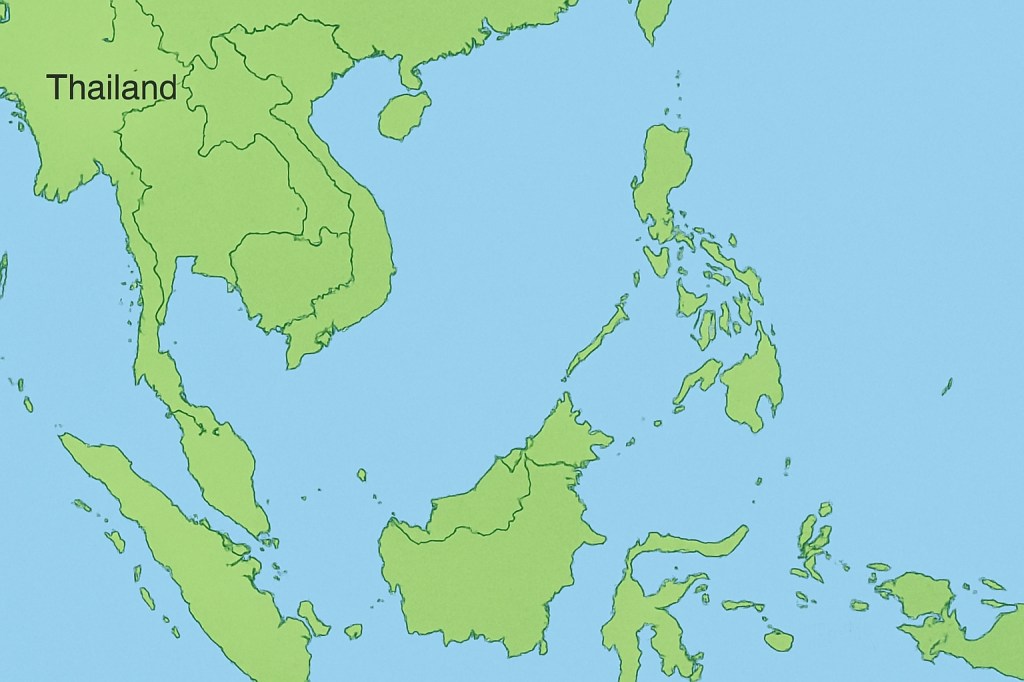
    Short answer? Bali and Thailand ain’t exactly neighbors, but they’re also not on opposite ends of the earth. Distance-wise, Bali is around 2,500 to 3,000 kilometers (about 1,550 to 1,865 miles) from different parts of Thailand, depending on where you’re startin’. From Bangkok to Denpasar (that’s Bali’s main airport), it’s roughly a 4-hour direct flight, give or take.

    Now let me take you deeper. I’ll walk you through the real-life stuff most blogs won’t tell you—like airport hassles, flight prices, stopovers, and even the kinda people you’ll meet on the journey. Think of this as one of those convos you’d have with your driver while cruisin’ through the rice paddies of Tegalalang.

    Flying from Thailand to Bali: What’s It Really Like?

    Alright, so technically Bali’s in Indonesia and Thailand is… well, Thailand. No land border, obviously. You gotta fly. But not all flights are created equal. I’ve had guests come in from Bangkok, Phuket, Chiang Mai—each route is a bit different.

    From Bangkok to Bali

    If you’re flying from Bangkok (which most people do), it’s the easiest and cheapest route. Direct flights are available on airlines like AirAsia, Thai Airways, and Garuda Indonesia. The flight takes about 4 hours and 15 minutes on average.

    But here’s the thing—flights can vary like crazy depending on when you book. During high season (like July, August, or Christmas), I’ve seen one-way tickets go for $200 or more, even on budget airlines. But if you plan ahead or catch a promo, you might snag it for around $80–$120 USD.

    And yes, you better believe people have been burned by those “cheap” fares—I’ve had guests arrive two hours late ’cause they got rerouted through Kuala Lumpur or Singapore. Happens more often than you’d think.

    From Phuket or Chiang Mai to Bali

    Now if you’re comin’ from Phuket or Chiang Mai, most flights are not direct. You’ll likely have a layover—usually in Bangkok, Kuala Lumpur, or Singapore. So while the air distance might be about the same, total travel time can stretch to 8 or 10 hours, sometimes even more.

    One time, I picked up a Canadian couple who flew from Chiang Mai to Bali and got stuck in Kuala Lumpur for 12 hours ’cause their AirAsia flight was delayed. Brutal. They were zombies by the time they landed. We stopped at a warung for nasi goreng just so they could feel human again.

    Airport Experience—Bali vs. Thailand

    Let’s talk airports for a sec. Suvarnabhumi in Bangkok? Big, efficient, a little cold-feeling if I’m honest. But it works. Phuket’s airport? Small, touristy, and gets jam-packed during holiday season. Chiang Mai? Kinda charming, not too crowded.

    Now Denpasar (Ngurah Rai International Airport)—that’s our Bali baby. It’s got this mix of tropical vibes and straight-up chaos. You’ll get your first blast of humidity as soon as you walk off the plane. Customs can be smooth or a total circus. Just depends on how many flights landed at the same time.

    Here’s my tip: Always fill out your e-customs declaration BEFORE landing. You can do it online. Saves you 30 minutes easy. I’ve watched so many travelers lose their minds waitin’ in line when they could’ve breezed through.

    Also—immigration officers in Bali? They ain’t rude, but they’re not exactly handing out hugs either. Just smile, don’t crack jokes about drugs (seriously), and you’ll be fine.

    Best Time to Travel from Thailand to Bali

    Oh man, this one’s a biggie. Timing makes all the difference.

    Thailand and Bali kinda share similar tropical weather, but not exactly the same. If you’re trying to plan the perfect transition between the two, here’s the lowdown:

    • Thailand’s dry season: November to April
    • Bali’s dry season: May to October

    So if you’re chasing the sun, you can plan a trip that hits both spots during their sweet weather. For example, spend March and April in Thailand, then fly over to Bali in May for the start of our dry season. Boom. Two-for-one paradise with perfect beach weather.

    I’ve had a few digital nomads do exactly this. One Aussie guy, Sam, stayed in Chiang Mai through April, did some Muay Thai training, then came to Bali in May and rented a villa in Canggu. Said it was the best timing of his whole SE Asia trip.

    Thailand vs. Bali Vibes: Totally Different Energy

    Now this ain’t about distance anymore, but it’s important—especially if you’re still deciding if you should hop from Thailand to Bali.

    Even though they’re both big on tourism, Thailand and Bali feel wildly different.

    Thailand

    You’ve got street food on every corner, crazy nightlife (hello, Khaosan Road), golden temples, and a slightly grittier energy. Even the beach towns like Krabi or Koh Samui have that fast-paced, party-friendly vibe.

    Bali

    Over here, it’s more spiritual, more laid-back. Think yoga studios in Ubud, vegan cafés in Canggu, and surf culture down in Uluwatu. Sure, there’s partying too, but it’s more chill—like, think sunset cocktails at a beach bar rather than buckets of booze on the sidewalk.

    I once had a couple from New York who said Bali felt like a “soul reset” after Thailand. Their words, not mine. They’d spent three weeks in Bangkok and Phuket partying and needed to slow down. They came to Ubud, did a sound healing session, and I swear they aged backwards.

    Visa Talk: What You Need to Know

    Okay, boring topic but super important—visas.

    If you’re flying from Thailand to Bali (Indonesia), you probably need a visa, depending on your nationality.

    • Most travelers (including from the US, UK, EU, Australia) can enter Bali visa-free for up to 30 days.
    • If you want to stay longer (like up to 60 days), you can apply for a Visa on Arrival (VOA) and then extend it.

    The thing is—don’t overstay. I’ve met people who thought “eh, it’s just one extra day.” Nope. Fines are daily, and immigration don’t play around. One Aussie guy paid 1 million rupiah (around $65) just because he misread his departure date. Not fun.

    Thailand has similar rules, by the way. Usually 30 days visa-free, but again—check before you book ’cause these things can change real fast.

    Booking Flights: What Most People Get Wrong

    Here’s something I learned from driving tourists around for over a decade—most people book their Thailand to Bali flight too late. They assume Southeast Asia is like Europe, where you can just hop on a $20 Ryanair flight last minute.
    Not here.

    Budget airlines like AirAsia, Scoot, and Lion Air can be cheap—but the sweet spot is booking about 3–4 weeks in advance. Anything less than that, and you’re risking high prices or nasty layovers.

    And check the baggage policy. Seriously. Some budget airlines sell super cheap base fares but charge crazy fees for checked bags. I had a guest who paid more for his suitcase than his seat.

    If you’re traveling light, carry-on only, you’re golden. But if you’ve got surfboards, yoga mats, or camera gear? Read the fine print.

    Also, use local flight apps like Traveloka or Tiket.com if you’re already in Southeast Asia. Sometimes they show better deals than Skyscanner or Google Flights. Don’t ask me why—it just happens.

    Getting from the Airport to Your Hotel in Bali

    Alright, now you’ve landed in Bali—what next?

    Don’t fall for those overpriced taxi guys shouting at arrivals. Happens every single day. Instead, pre-book a local Bali private driver (hey, like me!) or use a ride-hailing app like Grab.

    I usually wait at arrivals with a sign (yes, like in the movies), and most of my clients are so relieved not to have to haggle with strangers after a long flight.

    Price-wise, airport to Ubud is around 350,000–400,000 IDR ($22–$27), depending on traffic and time. To Seminyak or Canggu, expect 200,000–300,000 IDR ($13–$20). And if anyone’s charging double that? Nah. You’re being played.

    Quick tip: traffic in Bali is no joke. What should be a 45-minute drive can turn into 2 hours if you land at the wrong time. I always recommend flights that land before 2 PM or after 7 PM to avoid the madness.

    Real Talk—Is It Worth Traveling from Thailand to Bali?

    Honestly? Totally worth it. But it depends on your vibe.

    If you’re the kind of traveler who’s already soaked up Thailand’s temples, beaches, and markets, Bali is like the perfect next chapter. Different culture, different food, new energy. It keeps the adventure going without starting from scratch.

    I’ve had tons of travelers tell me they wished they did Bali first ’cause it’s calmer. But on the flip side, others say ending in Bali gave them a chance to slow down before heading home. Both ways work. Just depends what you need.

    And if you’re bouncing around Asia looking for the next place to fall in love with? Trust me—Bali’s got you.

    If you’re still wondering how far is Bali from Thailand in terms of distance, flights, travel experience, or just energy—it’s a bit of a journey, yeah. But one that’s so worth taking.

    You got questions about routes or wanna book a ride once you land in Bali? Hit me up. I’ll be waitin’ with a cold bottle of water, some local stories, and maybe even a little reggae on the car speakers. Let’s roll.

    Want me to keep going with a section on how to combine Thailand and Bali in one trip? Or maybe dive into the food differences, culture shocks, or what stuff costs across both? Just holler.

Design a site like this with WordPress.com
Get started