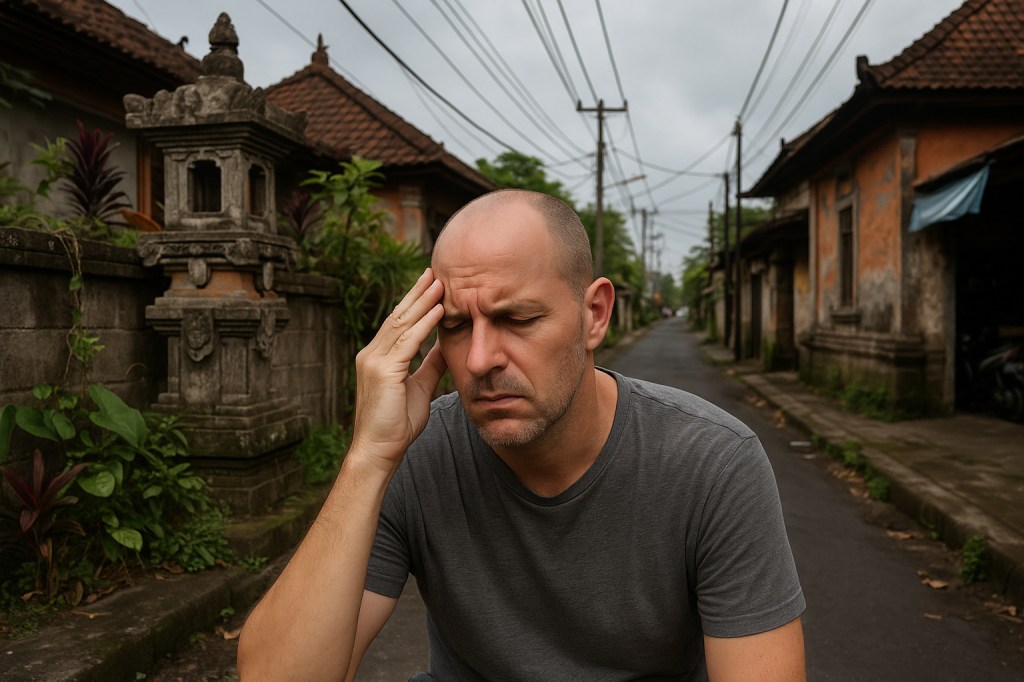
Alright, lemme be real with you—Bali’s got that tropical magic, sure. Beaches, rice fields, smoothie bowls with flowers on top… yeah, it’s a postcard. But here’s the thing most digital nomads and influencers ain’t gonna post on their stories: living in Bali comes with its own bag of problems. I’ve been a Bali private driver for over 15 years, chatting with expats, tourists, locals, and everyone in between. And trust me, behind those dreamy Instagram feeds, there’s a lot people don’t see.
So yeah, this isn’t me bashing my home. I love Bali. But if you’re thinking about packing up and moving here, especially long term, you need to know what you’re getting into. The main keyword here is problems with living in Bali, and I’m gonna dive deep. No sugarcoating.
Read also: How Far is Bali from Thailand
Visas in Bali – It Ain’t as Simple as It Sounds
Now let’s start with the most annoying thing for many expats and digital nomads: visas. You’d think with all the bule (foreigners) floating around Canggu, there’d be a solid system, right? Nah. It’s a bit of a headache.
Most people come in on a 30-day visa-on-arrival, which you can extend once, giving you 60 days max. After that? Gotta leave the country and come back. That’s called a visa run. Used to be folks would pop over to Singapore or KL for a weekend, come back fresh. But rules keep changing, and during COVID it got messy.
Now there’s the B211A visa – kinda like a social visa – which lets you stay up to 6 months. Sounds great, right? But you need a local sponsor. That’s where agents come in. Some are good, some not so much. I’ve had clients who paid millions of rupiah (we’re talking IDR here, but still) and their visa got rejected or delayed. And trust me, Indonesian bureaucracy? It’s not fast.
Always double-check your visa agent. Ask other expats for referrals. I’ve got a few regular drivers from Australia and Germany who ONLY use the same lady in Denpasar because she’s never failed ’em.
Internet and Electricity – Bali’s Got Mood Swings
This one’s a biggie for folks working online. Bali’s got decent Wi-Fi in the main areas—Canggu, Seminyak, Ubud, Sanur. But the further out you go, the spottier it gets. One minute you’re uploading a big file for work, next minute… boom. Wi-Fi drops. Rainstorm comes in and the electricity flickers like it’s on a timer.
During rainy season (November to March), power cuts are way more common. Especially up in the hills—like Ubud or Sidemen. You ever been on a Zoom call with a client in the U.S. and suddenly your whole house goes dark? Not fun.
Some expats install generators. Not cheap. Coworking spaces like Dojo or BWork are reliable, but again, not free. And not everyone wants to spend every day in a shared space, ya know?
If your job NEEDS a rock-solid internet connection 24/7, Bali might not be your best bet unless you’re based in one of the main towns and have a backup plan.
Bali Belly Is Real – And It’s Not Just the Street Food
You’d think after 10+ years, I’d be immune. But nope. Every few months, even locals like me get hit. Bali Belly’s the polite term for diarrhea and stomach troubles that hit tourists and expats after eating or drinking something “off.”
A lotta people blame warung food (local street stalls), but honestly, I’ve seen folks get sick from posh beach clubs too. It’s not just the food. Sometimes it’s ice cubes. Or fruit washed in tap water. And don’t get me started on water—it’s not safe to drink from the tap here.
I had a guest from Canada, lovely lady, stayed in Ubud. Ate at a vegan place every day. Got so sick she couldn’t leave her villa for 3 days. Missed her yoga retreat. Cried in the car when I took her to the clinic.
Lesson here? Bring activated charcoal, always drink bottled water, and take it slow with the raw salads when you first arrive.
Traffic and Driving in Bali – Absolute Madness
Okay, lemme take a deep breath before I get into this one.
Traffic in Bali? It’s chaos. Pure and simple. Especially around Canggu, Seminyak, and Denpasar. Roads are narrow, and most weren’t built for the amount of cars and bikes we’ve got now. There’s no real public transportation. So unless you’re walking distance to everything, you’ll need a scooter or car.
Tourists on scooters? Man, that’s a whole different story. Half of ‘em don’t wear helmets. Some don’t know how to ride. Every week there’s accidents. Every. Week.
Even locals get frustrated. You’ll be in a “shortcut” alley in Berawa and get stuck because two cars tried to squeeze past each other and now no one can move.
Here’s a tip from someone who drives people around daily: If you ain’t confident on a scooter, don’t rent one. Get a driver. It’ll save your nerves and probably your knees.
Healthcare – Not Awful, But Not Great Either
We’ve got some decent private clinics, like BIMC or Siloam. For smaller stuff—fevers, Bali Belly, stitches—they’re okay. And they speak English. But if something serious happens? You don’t want to be stuck here.
One of my regulars from Perth had a motorbike accident. Got banged up pretty bad. Hospital bills were around $7,000 AUD. Thank God he had insurance. But the worst part? He still had to be flown to Singapore for surgery.
So yeah—get health insurance that covers evacuation. And don’t assume your travel insurance covers everything. Many don’t cover scooter accidents unless you’ve got an international license AND were wearing a helmet.
The Cost of Living Isn’t That Cheap Anymore
Bali used to be super cheap, but not so much now. Rent in Canggu? Man, some villas go for 25 to 30 million IDR per month ($1,600-$2,000 USD). That’s not cheap, especially when you consider the salaries locals make.
Even basic things like eggs and rice have gone up. Tourism’s back, demand’s high, and everyone wants a piece of the pie. And if you’re a foreigner? You’re paying foreigner prices unless you know how to bargain or have a local friend help you out.
I’ve seen folks move here thinking they’ll live off $800 a month. Maybe 10 years ago. Now? Unless you’re living far from the tourist zones and cooking every meal at home, forget it.
Look at places like Kerobokan or North Ubud. Still close to the action but cheaper than beachfront areas.
Culture Shock – Bali Ain’t Just Beaches and Smoothie Bowls
Now don’t get me wrong—we Balinese are super welcoming. But we’ve got our traditions, our ceremonies, our ways. And not every expat or tourist gets it.
You might wake up to gamelan music at 5 AM. Or find the road blocked ‘cause there’s a cremation ceremony. Or see offerings (canang sari) everywhere—even in front of a 7-11. It’s part of our daily life.
And yes, some ceremonies involve animals. Some areas do cockfighting. Some have loud music and fireworks for hours. That’s our culture. You don’t have to like it, but if you’re living here, you need to respect it.
I’ve had foreign guests yell at locals during Galungan because the road was closed. That ain’t the way. You’re in our home—come with open eyes and a bit of patience.
Business Rules Are Tricky – You Can’t Just Set Up Shop
I get asked this a lot. “Hey man, how hard is it to open a café in Canggu?” or “Can I run a yoga retreat here?”
Short answer: it’s hard. You need the right visa. You need an Indonesian partner if you’re setting up a PT PMA (foreign investment company). And you better believe there’s red tape. Lots of it.
I’ve seen folks invest thousands into a beach bar or boutique and get shut down because they didn’t do the paperwork right. Or someone got jealous and reported them.
So yeah, Bali’s full of opportunities. But don’t think it’s a free-for-all. Get a good local lawyer. Seriously.
Community Can Be… Fleeting
Here’s something not a lotta people talk about. Making real friends in Bali can be tricky. There’s a strong expat community, sure—but it’s also super transient. People come and go. Some stay 3 months, others a year. Not everyone’s looking for deep connection.
I’ve had guests tell me they felt lonely, even in crowded places. That’s ‘cause many folks here are in their own bubbles. Yoga crew. Crypto crew. Surfer crew. It’s kinda cliquey.
Best advice? Get involved in local stuff. Join beach cleanups. Support a local orphanage. Go to a gamelan workshop. When you connect with locals, your whole experience changes.
Pollution and Plastic – It’s a Real Eyesore
Alright, this one hurts to admit. Bali’s still beautiful, no doubt. But yeah… we’ve got a plastic problem. After big rains, the beaches get trashed. Rivers too. It’s better than it used to be, but still not great.
Lots of groups doing beach cleanups—thank goodness. And places like Ubud are big on zero waste. But the reality is, single-use plastic is everywhere. Warungs still give you 5 bags for 1 snack.
Also, burning trash is common. You’ll smell it in the air sometimes, especially in the evenings. Not toxic waste or anything crazy—just that smoky scent of burnt rubbish.
If you’ve got asthma or allergies, it can be rough.
Noise, Roosters, and Random Construction
Forget sleeping in. Unless you’re in a really quiet area, Bali’s noisy. Roosters crowing at 4 AM, dogs barking, ceremonies with drums, construction all day.
And construction? It’s non-stop. New villas, cafes, gyms—everyone’s building. You might move into a peaceful spot, and a week later they start digging next door. Had a couple from Sweden last month staying near Pererenan. Paid big bucks for a “quiet retreat.” Nope. New pool getting built next door. Jackhammers at 8 AM.
It’s kinda a gamble.
Flooding During Rainy Season – Not a Joke
If you’re thinking about moving to Bali, don’t ignore the weather. Rainy season can be brutal. Especially December to February. Some roads turn into rivers. Scooters stall. Houses flood. And yeah, your Grab driver might cancel last minute.
Canggu and Kerobokan get hit hard ‘cause of bad drainage. I’ve driven through water up to my headlights more times than I can count.
If you’re renting a villa, ask about drainage. Is the road paved? Do neighbors complain about flooding? It can save you a big mess later.
Want me to keep going with more specific problems like corruption, education for expat kids, real estate scams, or just day-to-day frustrations expats face? Let me know and I’ll keep the article rolling.
 Bali Tourism
Leave a comment